Milan is more than Italy's financial engine; it is a global laboratory for style, design, and effortless cool. You don't just visit Milan; you dress for it. Choosing where to stay means deciding if you want to be among the 'Quiet Luxury' of Brera, the industrial-chic pulse of Navigli, or the high-fashion intensity of the Golden Quadrilateral.
Quick comparison
Choose the right Milan area
Start with the neighborhood that best matches your trip, then compare its boutique-hotel options.
First-time visitors
A central, walkable district combining galleries, independent shopping and some of Milan's most characterful hotels.
Nightlife and aperitivo
Canal-side bars, vintage shops and a lively evening scene suit social city breaks.
Luxury fashion
Milan's most exclusive shopping district provides high-end service and an exceptionally central location.
Modern design and architecture
Contemporary towers and Isola's creative streets offer a newer side of Milan.
Brera
The artistic soul of Milan. Brera is a maze of narrow cobblestone streets, botanical gardens, and hidden galleries. It is the height of 'Quiet Luxury'—sophisticated, refined, and effortlessly chic. It's home to some of the city's most charming boutique hotels and the best specialized perfume shops in Europe.
Quick verdict
Best for: Art lovers, couples on a romantic break, and those who want an 'elegant village' feel in the heart of a metropolis.
Boutique hotel fit
StrongHistoric buildings, discreet luxury, and design-conscious interiors make this Milan's strongest area for intimate high-end hotels.
What we love
- +Incredibly walkable and atmospheric night and day
- +Best independent shopping and art galleries
- +Home to the stunning Orto Botanico and Pinacoteca Brera
Worth noting
- –Very expensive; there are no 'budget' options here
- –Can feel a bit like a tourist bubble during peak hours
- –Small hotels mean rooms sell out incredibly fast
Nearby
Pinacoteca di Brera · Orto Botanico di Brera · Corso Garibaldi · Sforzesco Castle (nearby) · Via Brera
Deeper Neighborhood Guide
Things to Do in Brera, Milan
A practical Brera guide for Milan: Pinacoteca di Brera, the Botanical Garden, elegant streets, La Scala edge, and where to stay nearby.
Read the Brera guideBoutique Hotels in Milan


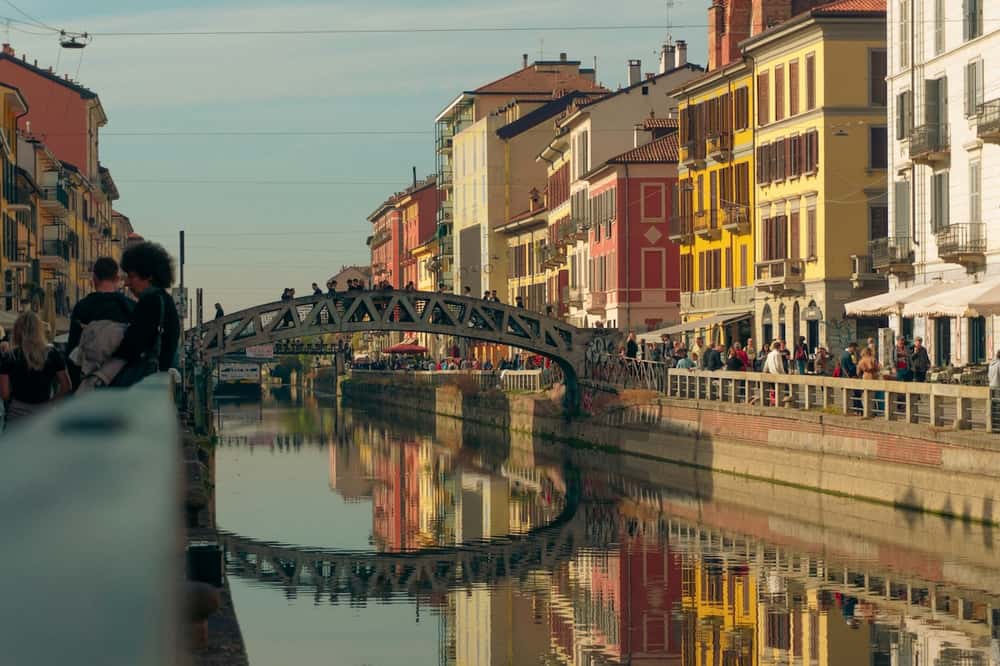
Navigli
Milan’s canal district. Once the industrial heart of the city, the canals are now lined with bars, vintage shops, and artist studios. It’s the center of Milan’s nightlife and *aperitivo* culture. Expert Tip: The area transforms completely at night; if you want peace, stay on the quieter Naviglio Pavese side rather than the hectic Naviglio Grande.
Quick verdict
Best for: Younger travelers, nightlife seekers, and anyone looking for a more bohemian, grit-and-glamour vibe.
Boutique hotel fit
ModerateSmaller creative hotels and converted buildings offer more personality and value, but rooms near the canals can be noisy.
What we love
- +Best nightlife and social energy in the city
- +More affordable boutique options and cool hostels
- +Great vintage market on the last Sunday of every month
Worth noting
- –Can be extremely loud until 2 AM
- –The canals can attract mosquitoes in the height of summer
- –Slightly further from the 'Main' landmarks like the Duomo
Nearby
Naviglio Grande · Viccolo dei Lavandai · Basilica di San Lorenzo · Fondazione Prada (accessible by short tram ride) · Porta Ticinese
Boutique Hotels in Milan


Quadrilatero della Moda
The Golden Quadrilateral. This is the global center of high fashion. Four streets (Via Montenapoleone, Via della Spiga, etc.) contain the world's most prestigious brands. It is intensely luxurious, perfectly paved, and very, very expensive. Expert Tip: Unless you are here to drop five figures on a handbag, walk through it for the window displays, but stay in Brera for the character.
Quick verdict
Best for: Fashion industry pros, serious shoppers, and luxury maximalists.
Boutique hotel fit
ModerateThe available properties emphasize exceptional luxury and fashion-led design, with limited choice at anything below premium prices.
What we love
- +The highest concentration of absolute luxury in Italy
- +Immaculate security and service levels
- +Stunning architectural palazzos
Worth noting
- –Feels like a high-end shopping mall; lacks a 'residential' soul
- –Restaurants are overpriced and aimed at tourists/shoppers
- –Not much 'life' once the shops close at 7:30 PM
Nearby
Via Montenapoleone · Via della Spiga · Museo Bagatti Valsecchi · Teatro alla Scala (nearby) · Armani/Silos (accessible by transport)
Porta Nuova & Isola
The futuristic face of Milan. Porta Nuova is all glass towers and the famous 'Bosco Verticale' (Vertical Forest). Directly adjacent is Isola, a formerly working-class neighborhood that has retained its community feel while becoming the city's coolest hipster hub.
Quick verdict
Best for: Architecture buffs, business travelers with style, and repeat visitors who want a 'local' modern Milan experience.
Boutique hotel fit
ModerateContemporary design hotels cluster around Porta Nuova, while Isola provides a smaller, more independent neighborhood feel.
What we love
- +Stunning modern architecture and green spaces
- +Isola has the best local community vibe and street art
- +Excellent high-end modern business hotels
Worth noting
- –Porta Nuova can feel a bit sterile and corporate
- –Isola is gentrifying fast but still has some rough edges
- –Further north from the historic Duomo center
Nearby
Bosco Verticale · Piazza Gae Aulenti · Biblioteca degli Alberi (BAM) · Isola street art tours · Blue Note Jazz Club
Porta Romana
The 'Real Milan.' This is a wealthy, residential area that houses the Fondazione Prada and some of the city's best concept restaurants. It’s thermal baths (QC Termemilano) and high-ceilinged apartments. It feels less like a tourist destination and more like where a Milanese architect would live.
Quick verdict
Best for: Slow travelers, design purists, and those who want to live like a wealthy Milanese resident.
Boutique hotel fit
LimitedThe neighborhood suits discreet apartments and a handful of design stays, but conventional boutique-hotel inventory is thin.
What we love
- +Authentic local high-life without the crowds
- +Home to Fondazione Prada—a must-see destination
- +Excellent traditional trattorias and thermal baths
Worth noting
- –Fewer actual hotels (lots of high-end apartments)
- –Less 'iconic' in terms of immediate street-view landmarks
- –Requires a bit more footwork to find the hidden gems
Nearby
Fondazione Prada · QC Termemilano · Parco Ravizza · Cascina Cuccagna · Porta Romana gate
When to Visit Milan
April to June and September to October are the sweet spots—mild weather and outdoor dining are in full swing. April is particularly vibrant due to Salone del Mobile (Design Week), but be warned: hotel prices quadruple and bookings are made a year in advance. July and August can be oppressively humid, and many locals flee to the coast, leaving some independent shops closed. January/February are cold and grey, but perfect for serious fashionistas hitting the sales.
Getting Around Milan
The Milan Metro is clean, efficient, and exceptionally easy to navigate. Most central areas are walkable, but for crossing the city quickly, the Metro is unbeatable. For a bit of history, hop on a Line 1 Yellow Tram—the 1920s wooden carriages are moving museums. Walking is the only way to truly see the hidden courtyards of Brera. Taxis and Uber Black are plentiful but expensive; stick to the Metro for most daytime transit.
Boutique Hotels in Milan


Ready to explore Milan?
Browse our curated collection of boutique hotels across all neighborhoods.
View All Hotels in Milan