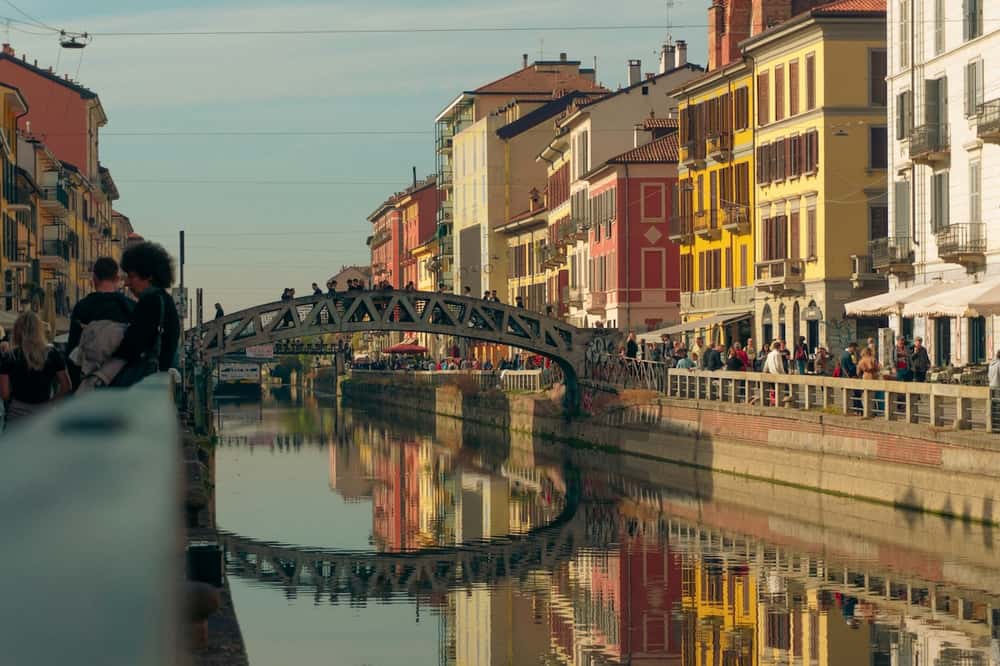
Brera, Milan
Brera is one of Milan's easiest neighborhoods to like straight away. It combines serious art, elegant streets, quieter corners, independent shops, and a walkable position between the Duomo side, Castello side, and the fashion core. It feels central without being purely monumental.
Best For
First-time Milan visits, art, elegant streets, walkable central stays
Main Sights
Pinacoteca di Brera, Brera Botanical Garden, La Scala edge, Castello approach
Stay Style
Design hotels, polished boutiques, refined old-center stays
Trade-Off
Charming and central, but expensive and busier than it first appears around peak aperitivo hours
Things to Do
What to See and Do in Brera
01
Start by simply walking Via Brera and the side lanes
The best introduction to Brera is not a single monument but the district itself. Via Brera and its surrounding streets show why the area works so well as a base: gallery energy, elegant facades, smaller shops, and a pace that feels more human than parts of central Milan.
Do this first so the rest of the neighborhood has a shape in your head. Brera rewards wandering once you know its basic lines.
02
Give the Pinacoteca di Brera real time
The Pinacoteca di Brera is the neighborhood's core cultural anchor and one of Milan's strongest museum stops. This is not something to squeeze between shopping appointments. It deserves proper time, especially if Brera is one of the reasons you chose this part of the city.
Even if you are not doing a full art-heavy trip, the museum helps Brera feel substantial rather than just stylish.
03
Step into Palazzo Brera's courtyards
Part of the pleasure of Brera is that major culture often appears through courtyards and layered entrances rather than big open piazzas. Palazzo Brera is one of the best examples of that. Its spaces help the district feel quieter and more inward-looking than the Duomo side of Milan.
Spend a few minutes here beyond the museum threshold. The architecture and atmosphere are part of the neighborhood experience.
Curated Hotels Nearby
Boutique Hotels in Milan


04
Find the Brera Botanical Garden
The Brera Botanical Garden is one of the best reasons the neighborhood feels more than a museum district. Hidden behind Palazzo Brera, it gives you an unexpected green pause in the middle of central Milan.
This is exactly the kind of stop that makes Brera special. It is not loud, not monumental, and not obvious from the street, which is why it leaves a stronger impression than many bigger attractions.
05
Use Via Fiori Chiari and Via Fiori Oscuri for the classic Brera mood
These streets are where Brera often feels most itself. Restaurants, smaller storefronts, art-linked atmosphere, and a slightly slower pace make them useful for both daytime wandering and evening return visits.
If you want the version of Brera that people usually mean when they say they love Brera, this is part of it.
06
Walk down toward Piazza della Scala
One of Brera's advantages is how easily it connects to bigger-name Milan sights without being trapped inside them. The short walk toward Piazza della Scala gives you that bridge between Brera's art-district feel and the city's grander central landmarks.
It is a useful connector because it reminds you how practical this neighborhood is as a base. You can stay somewhere with more character and still reach the obvious sights quickly.
07
Use the Teatro alla Scala museum as an optional culture add-on
If you want one more substantial cultural stop nearby, the Teatro alla Scala museum is an easy addition from Brera. It gives the area a music-and-performance dimension that sits well with the gallery and design side of the neighborhood.
You do not need to force it into every Brera day, but it is one of the better nearby extensions if you want depth without leaving the center.
08
Walk the Brera-to-Castello edge
The western edge of Brera toward Castello Sforzesco helps the neighborhood breathe. It is one of the easiest ways to stretch the walk beyond the district's prettier but tighter streets and connect to a larger historic Milan route.
This works well in the afternoon, especially if you want to balance museum interiors with a more open-air walk.
09
Treat Brera as an aperitivo neighborhood, not only a daytime one
Brera becomes more useful once you see it as an evening neighborhood too. Aperitivo, dinner, and a slower night walk through its lanes make the district feel fuller than a museum-quarter label suggests.
That is one of the strongest reasons to stay here. The neighborhood still has somewhere to go once galleries and shops close.
10
Use Brera as a walking base for central Milan
A big part of Brera's value is not only what is inside the neighborhood, but how efficiently it links you to the rest of central Milan. Duomo, La Scala, Montenapoleone, and Castello all feel reachable without much friction.
That makes Brera one of the smartest short-stay bases in the city. It gives you atmosphere without isolating you from the obvious highlights.
Stay Nearby
Staying in Brera: Practical Tips
These notes are about choosing the right base, not the sightseeing route. Use them after you know the area fits your trip style.
Choose the quieter lane over the busiest restaurant strip
Brera can feel calm, but it is not uniformly quiet. Hotels near the busiest restaurant lanes or nightlife pockets may feel very different from those tucked onto smaller side streets a few minutes away.
If sleep matters, look for side-street placement and strong soundproofing. In a compact area like this, a slightly calmer address usually gives you more of Brera's charm and less of its friction.
Should you stay in Brera?
Stay in Brera if this is your first Milan trip, if walkability matters, or if you want a refined central base with real personality. It is one of Milan's strongest all-round neighborhoods for a short stay.
Choose Navigli if you want stronger nightlife and canal atmosphere, or Porta Nuova if you prefer a more contemporary business-and-design version of Milan.
Common Questions
Brera FAQ
Is Brera a good area to stay in Milan?
Yes. Brera is one of the best areas to stay in Milan because it is central, elegant, and walkable, with easy access to the Pinacoteca di Brera, La Scala, Castello Sforzesco, and many of the city's most attractive streets.
What is Brera known for?
Brera is known for the Pinacoteca di Brera, its botanical garden, art-district atmosphere, elegant streets, independent boutiques, aperitivo culture, and its refined central-Milan character.
Is Brera better than Navigli to stay in Milan?
Brera is better if you want a more polished, central, and walkable base with museums and elegant streets. Navigli is better if nightlife, canal atmosphere, and a more casual social scene matter more than refined centrality.
Deciding where to stay in Milan?
Compare Brera with other neighborhoods before choosing your hotel.