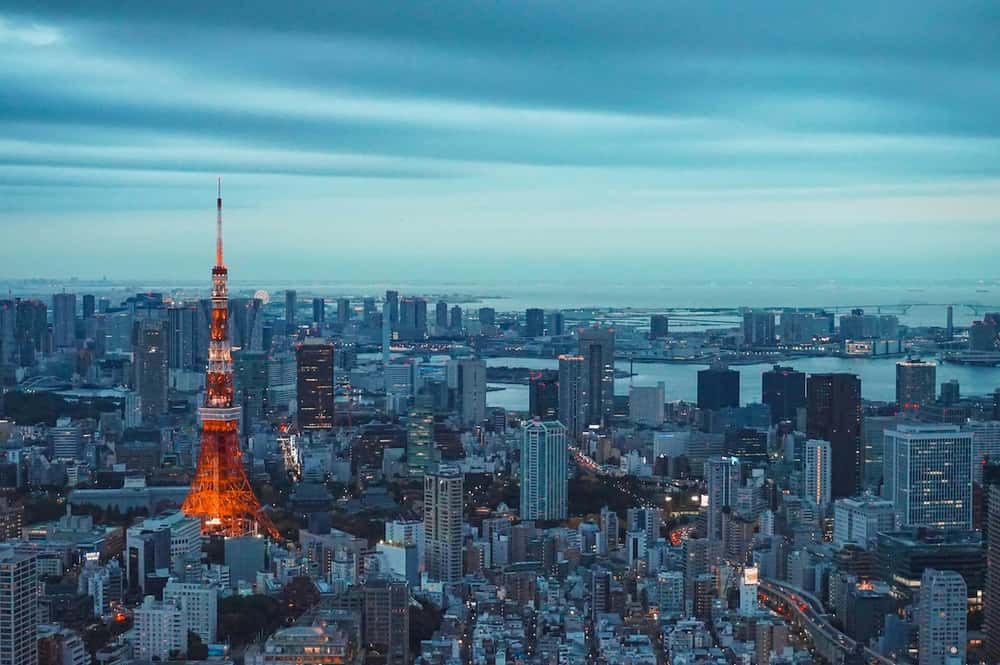
Shinjuku, Tokyo
Shinjuku is one of Tokyo's most useful bases for visitors because it combines huge transport reach with real neighborhood variety. You get skyscraper views, shopping, old-school alleys, late-night energy, and one of Tokyo's best gardens in a single district.
Best For
First-time Tokyo stays, rail access, shopping, nightlife variety
Main Sights
Tokyo Metropolitan Government Building, Shinjuku Gyoen, Omoide Yokocho, Golden Gai
Stay Style
High-rise hotels, design stays, convenient station-side bases
Trade-Off
Excellent transport and range, but parts of the area can feel hectic and overwhelming
Things to Do
What to See and Do in Shinjuku
01
Get your bearings around Shinjuku Station first
Shinjuku works better once you understand its basic geography. The station is enormous, and the east side, west side, and south side each lead into a different version of the district: nightlife and retail to the east, skyscrapers and government towers to the west, and newer shopping complexes around the south exits.
Use your first hour to learn one or two exits you will actually reuse. That small bit of orientation pays off more here than in almost any other Tokyo neighborhood.
02
Take the free view from the Tokyo Metropolitan Government Building
The Tokyo Metropolitan Government Building is one of the best-value observation stops in Tokyo because it costs nothing and still gives a serious panorama over the city. On clear days, the view stretches from central Tokyo out toward Tokyo Bay and even Mt. Fuji.
This is the easiest way to understand Shinjuku's scale. It also works especially well early in a stay, because seeing the city from above helps the rest of Tokyo feel less abstract.
03
Walk the Nishi-Shinjuku skyscraper district
Nishi-Shinjuku is the version of Tokyo many people imagine first: broad roads, towers, plazas, hotel bars, and a sharp business-district skyline. It feels different from the tighter, neon-heavy east side, and the contrast is part of what makes staying in Shinjuku so interesting.
Do this walk in daylight before returning after dark. The same streets read very differently once the offices empty and the towers light up.
Curated Hotels Nearby
Boutique Hotels in Tokyo


04
Spend a slower hour in Shinjuku Gyoen
Shinjuku Gyoen is the counterweight that stops the neighborhood from becoming all concrete and flashing signs. The national garden is large enough to feel like a genuine reset, not just a pocket park between buildings.
It is particularly good if you are staying in Shinjuku for several nights. A morning in the garden gives the area a calmer rhythm and keeps the district from feeling nonstop.
05
Use the south exit for NEWoMan and Takashimaya
The south side of Shinjuku is one of the easiest places to shop without diving straight into the busiest east-exit crowds. NEWoMan and Takashimaya give you a more polished, modern side of the area, and both are easy to fold into an arrival or departure day.
This part of the district is especially useful if you are staying nearby and want convenient food, gifts, or a weather-proof few hours before a train or airport transfer.
06
Browse a depachika or basement food hall
One of the most enjoyable things to do in Shinjuku is explore the basement food halls under its department stores. They are practical, distinctly Japanese, and far more memorable than generic mall food courts.
If you want a fast lunch, high-quality takeaway, or edible souvenirs, this is one of the smartest uses of time in the area. It is also a very easy way to experience Shinjuku even when the weather is poor.
07
Eat yakitori in Omoide Yokocho
Omoide Yokocho gives Shinjuku one of its strongest old-Tokyo contrasts. The alley near the station's west side is tight, smoky, lantern-lit, and packed with tiny counters serving skewers and beer.
Go for the atmosphere as much as the meal. This is one of the clearest places in Shinjuku where the neighborhood stops feeling like a mega-district and becomes something intimate and memorable.
08
Step into Hanazono Shrine before the evening crowds
Hanazono Shrine adds a useful cultural stop inside a district better known for speed and nightlife. Set near Kabukicho and the east-side bustle, it gives the area a quieter spiritual layer that many visitors skip.
It works well in late afternoon, before moving on to dinner or drinks. That timing helps the neighborhood feel more balanced than a route built only around bars and neon.
09
See Golden Gai respectfully after dark
Golden Gai is one of Shinjuku's most recognizable night areas, but it works best when approached with a little restraint. The appeal is the maze of tiny bars and the survival of an older streetscape in the middle of a relentlessly rebuilt district.
Do not treat it like a theme park. Go later in the evening, look for bars that welcome non-regulars, and remember that photography and street behavior matter here.
10
Walk Kabukicho as a spectacle, not a base
Kabukicho is worth seeing for its lights, density, and sensory overload, especially if this is your first Tokyo trip. It is one of the clearest expressions of Shinjuku's late-night identity.
But it is usually best experienced as a walk-through rather than the center of your whole plan. Ten or twenty minutes of neon, signage, and people-watching is often enough before moving on to dinner, a bar, or a quieter street.
Stay Nearby
Staying in Shinjuku: Practical Tips
These notes are about choosing the right base, not the sightseeing route. Use them after you know the area fits your trip style.
Pick the Shinjuku sub-area that matches your trip
Shinjuku is not one uniform stay area. West-side high-rise hotel blocks, south-exit shopping corridors, and east-side nightlife streets all feel completely different even though they are close together on the map.
When booking, think beyond the word Shinjuku. A quieter hotel in Nishi-Shinjuku or near the south side can suit many travelers better than a more famous address near Kabukicho.
Should you stay in Shinjuku?
Stay in Shinjuku if you want Tokyo's best rail convenience, wide dining range, major shopping, and easy access to both daytime and nighttime activity. It is one of the safest default choices in the city for a first visit.
Choose Shibuya if you want a younger street scene, Ginza for a more polished luxury rhythm, or Asakusa for a more traditional and slower-feeling base.
Common Questions
Shinjuku FAQ
Is Shinjuku a good area to stay in Tokyo?
Yes. Shinjuku is one of the best areas for first-time Tokyo visitors because it has exceptional train connections, wide hotel choice, major shopping, nightlife, and easy access to places like Shinjuku Gyoen and the Tokyo Metropolitan Government observatory.
What is Shinjuku known for?
Shinjuku is known for its huge station, neon nightlife, department stores, skyscrapers, the Tokyo Metropolitan Government Building, Shinjuku Gyoen, Omoide Yokocho, and Golden Gai.
Is Shinjuku or Shibuya better to stay in?
Shinjuku is usually better for transport convenience and hotel range. Shibuya is better if you want a younger, trend-driven atmosphere and are happy with a slightly less practical rail hub.
Deciding where to stay in Tokyo?
Compare Shinjuku with other neighborhoods before choosing your hotel.