Centro Storico, Rome
Centro Storico is the easiest Rome base for travelers who want the Pantheon, Piazza Navona, Campo de' Fiori, and Trevi Fountain within a single walking loop. It is beautiful, busy, expensive, and extremely convenient.
Best For
First-time Rome visits, short stays, walkable sightseeing
Main Sights
Pantheon, Piazza Navona, Trevi Fountain, Campo de' Fiori
Stay Style
Historic palazzos, intimate boutique hotels, rooftop terraces
Trade-Off
Unbeatable location, but higher prices and daytime crowds
Things to Do
What to See and Do in Centro Storico
01
Start at the Pantheon
The Pantheon is the natural anchor for Centro Storico. From Piazza della Rotonda, you can understand why this is such a strong base: major sights spread out in every direction, and the streets around the square are dense with cafes, small shops, and historic buildings.
If you are staying nearby, visit early in the morning or later in the evening. The neighborhood feels very different before the day-trip crowds arrive, and that quiet access is one of the biggest advantages of choosing a boutique hotel in the historic center.
02
Walk to Piazza Navona
Piazza Navona is only a short walk from the Pantheon and is one of the most atmospheric public spaces in Rome. The square works well as a slow stop rather than a checklist sight: look at the fountains, step into the side streets, and use it as a midpoint between the Pantheon and Campo de' Fiori.
The smaller lanes around the piazza are useful for escaping the busiest restaurants on the square itself. This is where Centro Storico becomes most rewarding: the famous sights are close, but the better moments often happen one or two streets away.
03
Visit Campo de' Fiori in the morning
Campo de' Fiori gives Centro Storico a more everyday feel. Mornings are the best time to pass through, when the square is livelier and easier to combine with nearby streets such as Via Giulia, Piazza Farnese, and the lanes toward the Jewish Ghetto.
In the evening, the area becomes busier and more social. That can be fun if you want energy close to your hotel, but light sleepers should choose rooms away from the busiest piazzas.
Curated Hotels Nearby
Boutique Hotels in Rome


04
See Trevi Fountain at off-hours
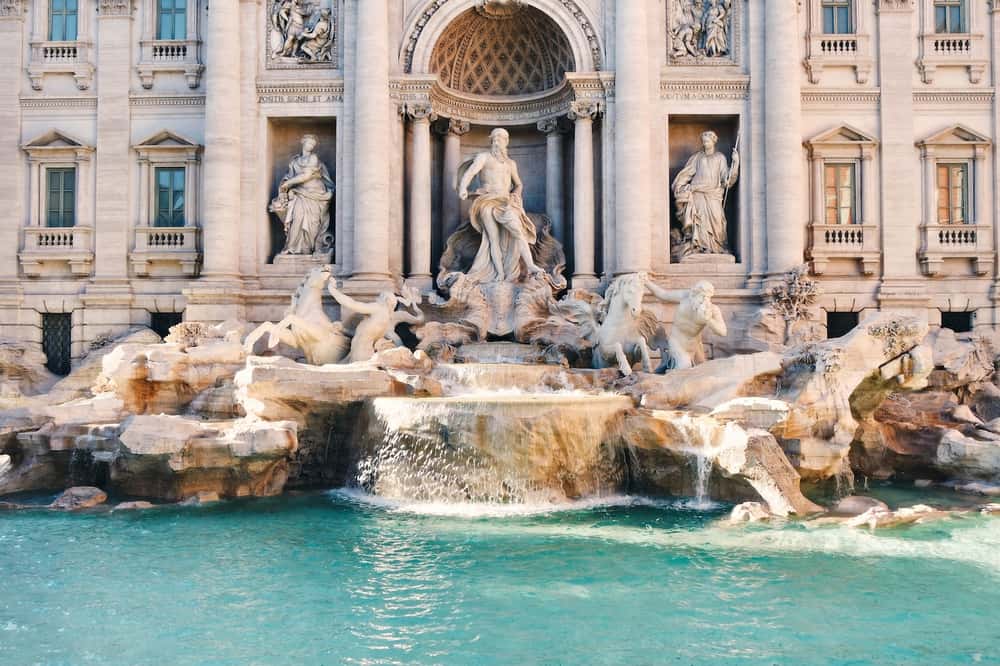
Trevi Fountain sits on the eastern edge of the Centro Storico walking loop. During the middle of the day it can feel crowded, but early mornings and late evenings are much calmer. This is another reason staying nearby matters: you can see the landmark before or after most visitors pass through.
From Trevi, it is easy to continue toward the Spanish Steps or loop back through the smaller streets toward the Pantheon. For a short Rome trip, this kind of walkability is the neighborhood's biggest strength.
05
Step inside a quieter church or courtyard
Centro Storico is not only the headline monuments. Churches, small museums, courtyards, and bookshops sit between the major squares, and they help break up a day that might otherwise feel too crowded.
Good options include churches around Piazza Navona, the area around Largo di Torre Argentina, and the quieter streets near Via Giulia. Build the day around one or two major sights, then leave time to wander.
06
Walk the Pantheon-to-Campo loop
A good Centro Storico day starts early at Trevi Fountain, continues to the Pantheon, loops through Piazza Navona, and then drops toward Campo de' Fiori or the Jewish Ghetto for lunch. This keeps the walking compact and avoids crossing the same crowded streets repeatedly.
Save the Spanish Steps or Trastevere for a second loop rather than trying to do everything at once. The historic center is close together on a map, but slow streets, crowds, and long cafe breaks are part of the experience.
07
Escape to Via Giulia and Piazza Farnese
Crowds cluster most heavily around Trevi Fountain, the Pantheon entrance, Piazza Navona, and the Spanish Steps. These places are still worth seeing, but they are easiest to enjoy early, late, or as quick stops between quieter streets.
If the center feels too busy, move toward Via Giulia, the lanes behind Piazza Farnese, or the smaller streets between Campo de' Fiori and the river. You will still be central, but the atmosphere changes quickly.
08
Find lunch on the side streets
The most obvious restaurants directly on major piazzas are convenient, but they are not always the best value. In Centro Storico, a better rule is to use landmark squares for atmosphere and side streets for meals.
For a hotel stay, this matters because you will probably eat nearby more than once. A good base is not just close to sights; it should also make it easy to find coffee, aperitivo, and dinner without relying on the busiest tables.
09
Visit Largo di Torre Argentina
Largo di Torre Argentina adds an older, rougher layer to a Centro Storico walk. The archaeological area breaks up the polished piazza route and makes it easier to see how ancient Rome still interrupts the modern city.
It works well between the Pantheon, Campo de' Fiori, and the Jewish Ghetto. Treat it as a short open-air stop rather than a full museum visit, then keep moving through the nearby lanes.
10
Cross into the Jewish Ghetto
The Jewish Ghetto sits just south of the main Centro Storico loop and is one of the best detours for travelers who want food, history, and quieter streets close together. It pairs naturally with Campo de' Fiori or Largo di Torre Argentina.
Go for a slower meal, a look at the synagogue area, or a walk toward the Tiber. It gives the historic center more depth than a route built only around Trevi, the Pantheon, and Piazza Navona.
Stay Nearby
Staying in Centro Storico: Practical Tips
These notes are about choosing the right base, not the sightseeing route. Use them after you know the area fits your trip style.
Pick your hotel street carefully
In Centro Storico, two hotels a few minutes apart can feel very different. A room directly above a busy piazza or nightlife lane may be atmospheric but noisy, while a side-street hotel can feel calm even in the same neighborhood.
Look for language like interior courtyard, soundproofed rooms, side street, or rooftop terrace when comparing boutique hotels. The location is excellent either way, but the exact street shapes the stay.
Should you stay in Centro Storico?
Stay in Centro Storico if this is your first Rome trip, if you want to walk almost everywhere, or if you only have two or three nights. It is especially good for travelers who value atmosphere over room size.
Choose Trastevere or Monti instead if you want a more local evening scene or slightly less pressure around the main sights. For a quieter, more residential stay near the Vatican, Prati is usually a better fit.
Common Questions
Centro Storico FAQ
Is Centro Storico the best area to stay in Rome?
It is one of the best areas for first-time visitors because the Pantheon, Piazza Navona, Trevi Fountain, Campo de' Fiori, and the Spanish Steps are all walkable. The trade-off is higher hotel prices and more daytime crowds.
How many days do you need for Centro Storico?
One full day is enough for the main walking loop, but two days feels better if you want to add churches, smaller museums, long meals, and quieter streets without rushing.
Is Centro Storico noisy at night?
Some streets near Campo de' Fiori, Piazza Navona, and Trevi Fountain can be noisy. If you are a light sleeper, look for boutique hotels with interior-facing rooms or locations on smaller side streets.
Deciding where to stay in Rome?
Compare Centro Storico with other neighborhoods before choosing your hotel.