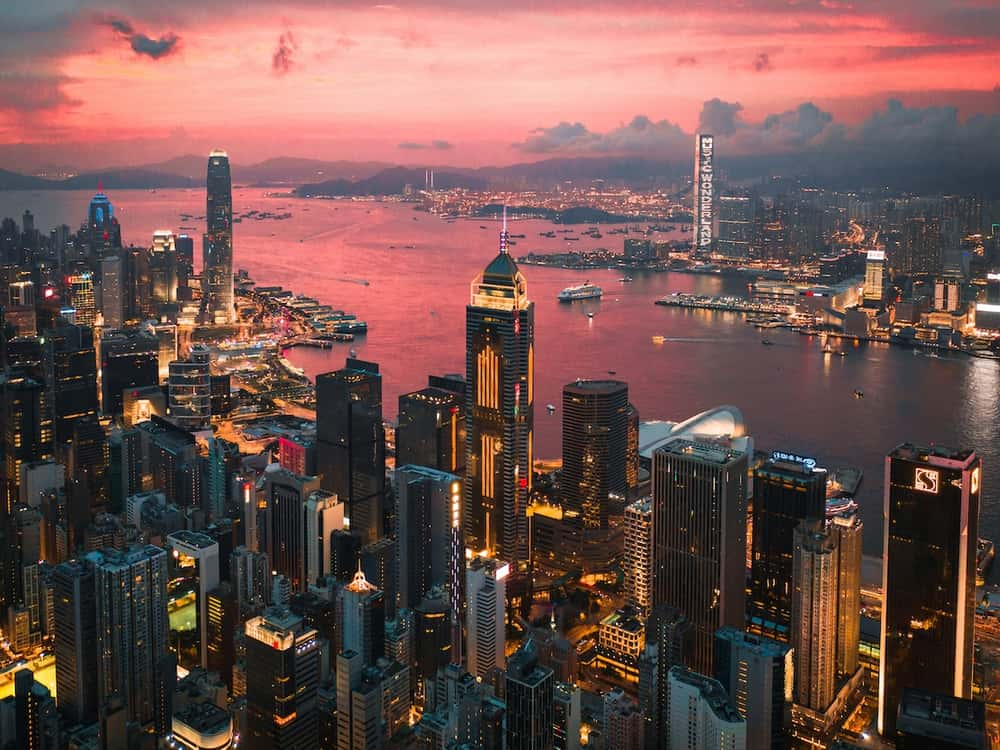
Central, Hong Kong
Central is Hong Kong's most polished and layered urban core, where finance towers, harbourfront views, colonial-era traces, hillside streets, design hubs, and fast transport all sit close together. It is one of the easiest bases in the city for first-time visitors who want Hong Kong's classic vertical energy on foot.
Best For
First-time Hong Kong stays, transport, skyline views, polished city access
Main Sights
Peak Tram, Tai Kwun, PMQ, Star Ferry, Mid-Levels Escalator
Stay Style
Design hotels, luxury towers, sleek business-ready stays
Trade-Off
Extremely convenient, but steep, busy, and pricier than many other districts
Things to Do
What to See and Do in Central
01
Start at the Central waterfront and ferry piers
A good first move in Central is to start by the harbour. The waterfront and ferry-pier side help you understand the district's scale quickly, with office towers behind you, Kowloon across the water, and transport links radiating in several directions.
This is the easiest way to orient yourself before heading uphill into the more layered parts of the neighborhood. Central makes more sense once you have seen both its harbour edge and its vertical interior.
02
Ride the Star Ferry from Central at least once
The Star Ferry is one of the simplest and most rewarding things to do from Central because it is both transport and attraction. The short crossing gives you the skyline, harbour air, and that very specific Hong Kong feeling of moving through the city instead of only looking at it.
If you are staying in Central, build this into a larger loop rather than treating it as a one-off ride. It pairs well with evening walks or a quick cross-harbour detour before dinner.
03
Use the Peak Tram as a real Central experience
The Peak Tram is not just a side trip to a viewpoint; it is one of Central's defining experiences. Starting from Garden Road, it gives the district its most classic upward transition, from dense city streets to one of Hong Kong's most famous panoramas.
Go early or late if possible. The attraction is popular for a reason, and the experience is much better when you avoid the worst of the queue pressure.
Curated Hotels Nearby
Boutique Hotels in Hong Kong


04
Walk part of the Central-Mid-Levels Escalator
The Central-Mid-Levels Escalator is one of the most useful and revealing ways to experience Central. It links the flatter business streets to the rising lanes above, and it turns a steep neighborhood into something you can browse in layers.
Use it as a connector rather than forcing the entire route all at once. Hop on and off where the surrounding streets look interesting.
05
Spend time at Tai Kwun
Tai Kwun gives Central some of its most interesting depth. The restored former police and prison compound blends heritage, exhibitions, courtyards, restaurants, and contemporary art in a way that feels distinctly Hong Kong rather than generic heritage redevelopment.
It is one of the easiest places in the area to spend a longer stretch without rushing. If Central starts to feel all skyscrapers and shopping, Tai Kwun resets the mood.
06
Browse PMQ for design and local creativity
PMQ adds a more local and design-led layer to Central. Its mix of independent studios, small brands, workshops, and heritage architecture makes it more interesting than a standard shopping stop.
This is a good place for gifts or simply an hour of browsing that feels more specific to Hong Kong's creative scene. It also works well in tandem with nearby SoHo streets.
07
Step into Man Mo Temple on Hollywood Road
Man Mo Temple is one of the most atmospheric cultural stops within easy reach of Central. The incense coils, carved details, and older street context create a striking contrast with the financial towers not far away.
This contrast is part of what makes Central compelling. You do not need a long visit here, but it adds real texture and historical weight to the neighborhood.
08
Use Central Market as a flexible pause point
Central Market is useful because it sits in the middle of several Central walking lines and offers an easy place to pause for food, browsing, or a short break indoors. The revitalised market also gives the area another old-meets-new layer.
This is particularly handy on hot, humid, or rainy days. Central can involve a lot of walking and elevation, so built-in reset points matter.
09
Fit in the Observation Wheel or a harbourfront sunset
The Central harbourfront improves late in the day, when the light softens and the skyline reads more clearly across the water. The Observation Wheel area works well if you want a simple bayfront attraction, but even without riding it, the waterfront is worth using for an evening walk.
If your hotel is nearby, this becomes one of Central's biggest strengths. You can go out again after dinner without much planning and still feel like you are in the middle of Hong Kong.
10
Treat Central as an evening neighborhood too
Central works best when you do not leave after office hours. Between the upper streets, SoHo edge, bars, and restaurants around the escalator network, the area has plenty of life once the business day ends.
That evening layer is one of the reasons Central works so well as a hotel base. It is not only convenient; it stays useful after dark.
Stay Nearby
Staying in Central: Practical Tips
These notes are about choosing the right base, not the sightseeing route. Use them after you know the area fits your trip style.
Pick your exact Central slope carefully
Central can feel dramatically different depending on whether your hotel is closer to the harbour, the office core, or the rising streets near the escalators. Distance on a map is less important than slope, stairs, and the amount of up-and-down walking built into the day.
When booking, think about whether you want ferry and MTR convenience, nightlife proximity, or a calmer luxury tower stay. Central rewards precise hotel choice.
Should you stay in Central?
Stay in Central if this is your first Hong Kong trip, if transport convenience matters, or if you want a polished base close to harbour views, business districts, and classic Hong Kong attractions. It is one of the city's strongest all-round options.
Choose Tsim Sha Tsui for easier Kowloon access and harbourfront views from the other side, or Sheung Wan if you want something slightly less corporate and a touch more local in feel.
Common Questions
Central FAQ
Is Central a good area to stay in Hong Kong?
Yes. Central is one of the best areas for first-time visitors because it is highly connected and close to major experiences like the Peak Tram, Star Ferry, Tai Kwun, the Mid-Levels Escalator, and the Central harbourfront.
What is Central Hong Kong known for?
Central is known for its skyline, finance district, harbourfront, Peak Tram terminus, Star Ferry piers, Tai Kwun, PMQ, escalator-linked hillside streets, and its role as one of Hong Kong's key transport and dining hubs.
Is Central better than Tsim Sha Tsui to stay in?
Central is better if you want Hong Kong Island access, fast business-district transport, and easier access to places like the Peak Tram and SoHo. Tsim Sha Tsui is better if you prefer Kowloon, classic harbour views back toward the island, and a slightly more tourist-forward base.
Deciding where to stay in Hong Kong?
Compare Central with other neighborhoods before choosing your hotel.